
By ShingleGuard Technologies, LLC · Published
The short answer
Keep water moving off the roof, keep heat from building up under it, fix small problems while they’re small, and keep the shingles from drying out. In Phoenix, that last one matters most. Sun and heat bake the oils out of asphalt shingles years before the rest of the roof wears out, and replacing those oils is the one step ordinary maintenance can’t do.
Why shingle roofs age fast in the Valley
Asphalt shingles stay flexible because of the oils in the asphalt. Phoenix averages more than 100 days a year at or above 100°F, and a dark roof gets far hotter than the air. That heat, plus some of the strongest UV in the country, slowly oxidizes and bakes those oils out. The shingles stiffen, crack more easily, and start losing the mineral granules that shield them from the sun, which speeds things up further.
The good news: a roof usually starts drying out well before it fails. That gap is your chance to make it last. Read more on how Arizona weather affects shingle roofs.
8 ways to make your roof last longer
- 1
Look it over twice a year
Spring, before the heat, and fall, after monsoon season. From the ground, with binoculars if you have them, look for curled, cracked or missing shingles, bald patches, lifted flashing, and granules piling up in gutters or at the bottom of downspouts. Please don’t climb onto the roof yourself.
- 2
Keep gutters and valleys clear
Monsoon storms drop a lot of water fast. Leaves and debris in gutters and roof valleys hold that water against the shingles and push it under the edges, where it can reach the decking.
- 3
Trim back overhanging branches
Branches that rub the roof scrape off granules, and the leaves and pods they drop pile up in valleys. Keep limbs several feet clear, and have dead ones taken down before monsoon winds do it for you.
- 4
Make sure the attic can breathe
An attic that can’t vent its heat bakes the shingles from below while the sun bakes them from above. Balanced intake vents at the eaves and exhaust vents up high keep the attic, and the roof deck, cooler. Shingle makers generally require proper ventilation for their warranties, too.
- 5
Fix small problems right away
A cracked rubber pipe boot, a lifted piece of flashing, a popped nail or a few missing shingles are cheap to fix and expensive to ignore. Pipe boots in particular crack early in the Arizona sun, and they’re one of the most common sources of leaks.
- 6
Keep foot traffic to a minimum
Every trip across the roof knocks granules loose, and stiff, sun-baked shingles can crack underfoot. Ask HVAC, solar and satellite techs to use the shortest path and to stay off the roof in the heat of the day.
- 7
Never pressure wash shingles
A pressure washer strips the granules that shield the asphalt from UV. If the roof needs cleaning, a soft brush or a garden hose is enough.
- 8
Rejuvenate once the shingles start drying out
Maintenance protects a roof from water and damage, but it can’t stop the shingles themselves from drying out. That’s what rejuvenation is for. More on it below.
Where rejuvenation fits
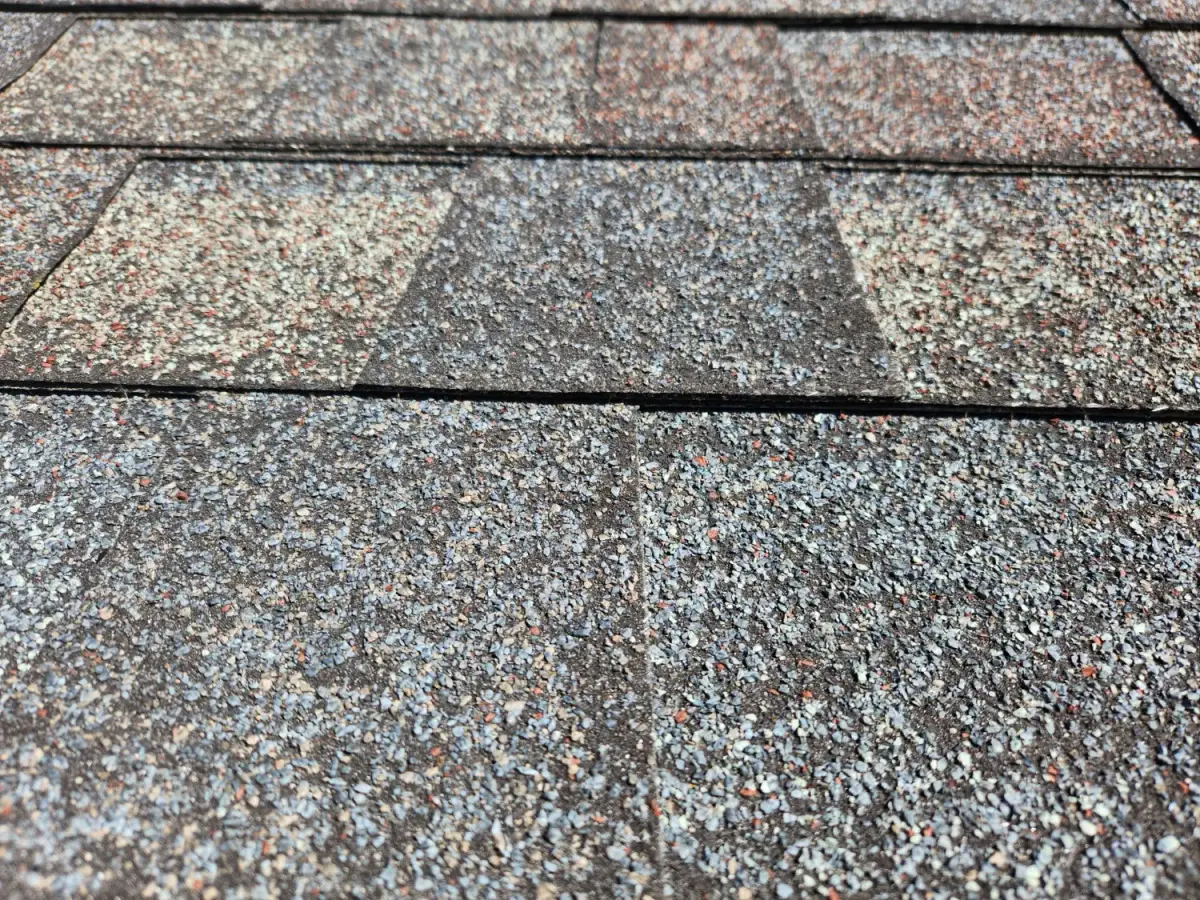
Rejuvenation is a spray-applied, plant-based treatment that soaks into asphalt shingles and replaces the oils they’ve lost. It’s the maintenance step for the shingles themselves, and it works best in the middle of a roof’s life: when the shingles look faded, feel stiff or are shedding some granules, but the roof is still sound.
The treatment ShingleGuard uses has the testing to back it up:
- In Iowa State University testing, it brought shingles from roofs more than 15 years old back to nearly new flexibility, and lab analysis showed it chemically bonds with aged asphalt.
- In independent lab testing, untreated shingles shed nearly twice as many granules as treated ones.
- Treated shingles kept their Class A fire rating, and rain runoff tested clean.
One treatment supports shingle performance for about 5 to 6 years, and you can keep extending it with a treatment every 5 to 6 years. It costs $1.00 to $1.25 per square foot of roof, about $2,000 to $3,000 for most Valley homes, and every treatment includes a roof tune-up: a Perma-Boot cover on every plumbing vent pipe, a few replacement shingles, resealed vents and flashing, secured nails and cleaned-out gutters. That covers steps 2 and 5 above in the same visit. See the lab results or how a treatment works.
When a roof is past extending
No maintenance brings back a roof that has already failed. These usually mean repair or replacement:
- Active leaks or water stains on the ceiling
- Soft, spongy or sagging spots in the roof deck
- Shingles that crack or crumble when bent
- Widespread curling, missing shingles or bald patches
- Significant hail or wind damage across the roof
Not sure where your roof stands? Our guide to how old is too old walks through the signs, and the 1-minute roof self-check gives you a first read from the ground.
How many years will this add?
Anyone who promises an exact number is guessing. No maintenance step or treatment can honestly guarantee a set number of extra years, and we won’t. What you can count on: a roof that’s kept dry, ventilated, repaired promptly and kept flexible stays in service longer than one that isn’t, and every year it keeps working is a year you aren’t paying for a new one.
The bottom line
Most of what keeps a shingle roof going is simple: two look-overs a year, clean gutters, good attic airflow and quick fixes. In Arizona, add the step the sun makes necessary: keep the shingles flexible before they dry out. A free ShingleGuard assessment tells you whether your roof is ready for that, with a written price and no obligation.
Licensed & Insured | AZ ROC #368164
Prefer to text? Send us a message