
Glendale, Arizona
Roof rejuvenation in Glendale
More than half of Glendale’s single-family homes have asphalt shingle roofs, about 40,500 in all, and nearly 8 in 10 of them were built in the 1970s and 1980s. ShingleGuard’s bio-based treatment is designed to replace the oils those shingles lose to the West Valley sun, so a qualifying roof can keep doing its job instead of being torn off early.
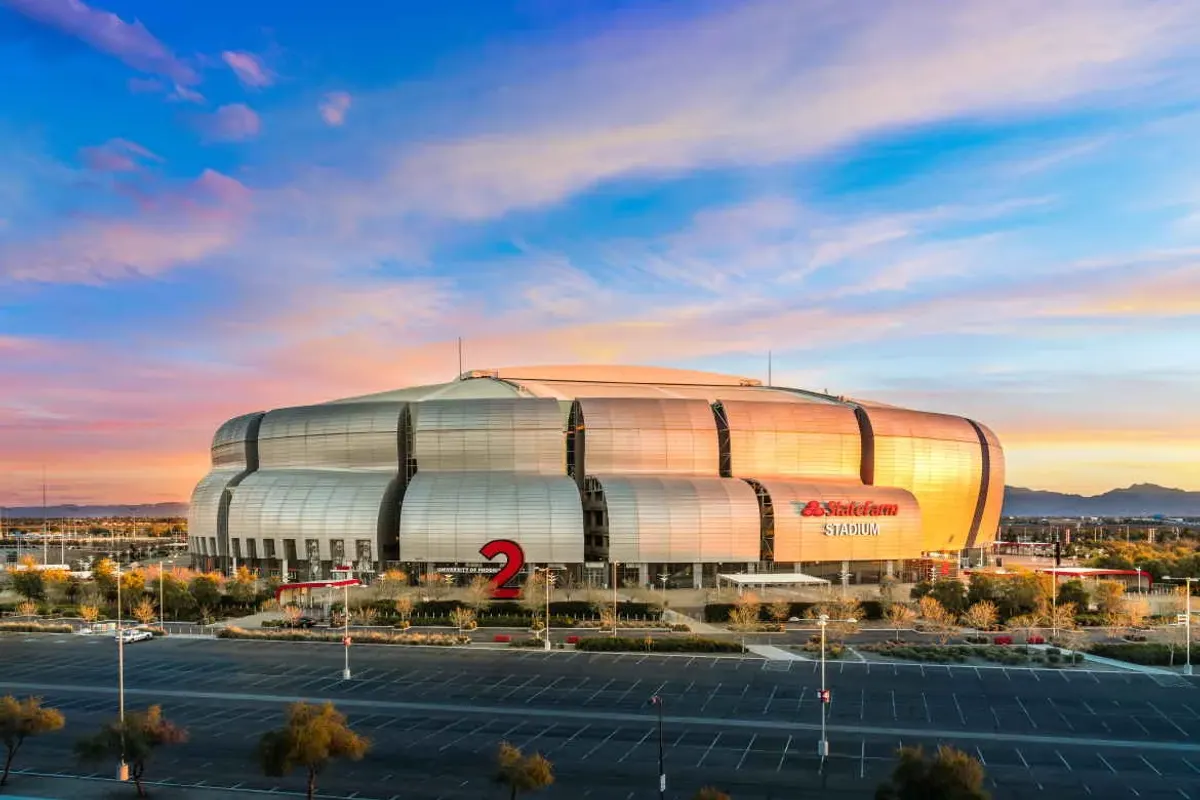
Glendale is a shingle-roof city
Most of these roofs sit on homes that have been through decades of Arizona summers. County records show how many homes could benefit from keeping their shingles flexible longer.
75,000+
single-family homes with a Glendale address
54%
have asphalt shingle roofs, about 40,500 homes
98%
of those homes were built more than 30 years ago
79%
of them were built in the 1970s and 1980s
Source: Maricopa County Assessor residential property records, October 2026. Counts are homes with that city in their mailing address. Roof material reflects county records and may not show recent re-roofs.
Two decades built most of Glendale’s shingle roofs
Glendale grew fast in the 1970s and 1980s, and so did its shingle roofs: 46% of today’s shingle-roof homes were built in the ’70s and another 33% in the ’80s. In central Glendale ZIP codes 85301, 85304 and 85306, more than 8 in 10 single-family homes have shingles.
Homes from that era have usually been re-roofed at least once, so the shingles you have now may be a fraction of the house’s age. That’s what the free assessment is for: we check the shingles themselves for flexibility, granule coverage and soundness, then tell you honestly whether treatment makes sense.
- Before 19607%
- 1960s6%
- 1970s46%
- 1980s33%
- 1990 or later9%
Single-family homes with asphalt shingle roofs, by year built. Maricopa County Assessor, Oct 2026.
What Glendale does to asphalt shingles
Every asphalt roof ages. Here, it happens faster.
More than 100 days a year at 100°F or hotter
A typical Valley summer brings more than 100 days at 100°F or above. Heat drives the oils out of asphalt shingles, so they dry out, stiffen and start to shed granules.
Strong sun, winter included
Sunlight breaks down asphalt at the surface, and in the desert it shines nearly every day of the year. The granules on a shingle are its sunscreen. As they wear away, the asphalt underneath ages faster.
Monsoon season, June 15 to September 30
Summer storms bring sudden wind, dust and heavy rain. Shingles that have gone brittle are the ones most likely to crack, lift or shed granules when a storm comes through.
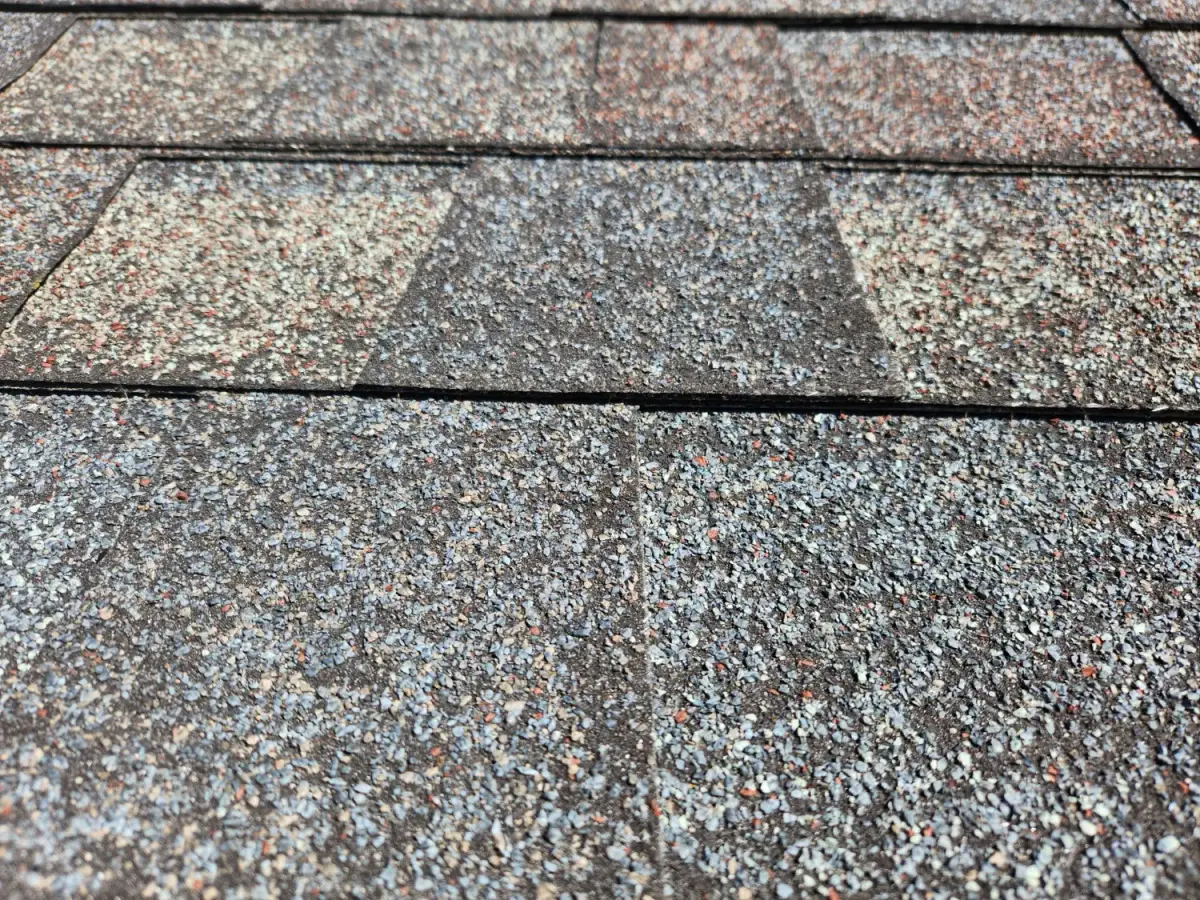
Rejuvenation fits some roofs, not all
We’ll tell you honestly after a free assessment. Here’s a quick way to gauge your Glendale home before we visit.
Usually a good fit
- An asphalt shingle roof on a single-family home, the most common kind in central Glendale
- Shingles that look faded, dry or chalky, or granules collecting in gutters and at downspouts
- A roof that is aging but still sound, with no active leaks
- You want to put off the cost and hassle of a full replacement
Usually not a fit
- Tile roofs (common in newer north and west Glendale), metal, foam or flat roofs
- Active leaks, soft decking or water stains on the ceiling
- Many missing, torn or badly curled shingles
What a new roof costs in Glendale
A typical Glendale shingle-roof home has about 2,200 sq ft of roof, so replacing it runs roughly $9,000 to $15,500 in 2026.
Glendale’s shingle-roof homes are a bit larger than Phoenix’s, and about one in twelve is two stories, a higher share than most Valley cities. A second story means more setup and safety equipment, so expect bids on those homes to land toward the top of the range.
If your roof is aging but still sound, rejuvenating it runs about $2,200 to $2,750, tune-up included, and can put that bill off.
- Typical shingle-roof home
- 1,650 sq ft
- plus a 430 sq ft garage or carport
- Estimated roof size
- 2,200 sq ft
- half of homes: 1,850–2,550 sq ft
- New asphalt shingle roof
- $9,000–$15,500
- at $4–$7 per sq ft installed
- Rejuvenating the same roof
- $2,200–$2,750
- at $1.00–$1.25 per sq ft, tune-up included
A simple, three-step process
- 1
Free roof assessment
We inspect your shingles up close, checking flexibility, granule coverage and any damage, then tell you honestly whether rejuvenation makes sense.
- 2
Protect & tune up
On treatment day we protect landscaping, pools and surfaces, then tune up the roof: Perma-Boot covers on the vent pipes, a few replacement shingles, resealed vents and flashing, and clean gutters.
- 3
Rejuvenate
We apply our bio-based treatment evenly across the shingles, where it is absorbed into the asphalt to replace oils lost to age, sun and heat. It's typically dry within about an hour.
A treatment with real credentials
We chose our rejuvenation treatment because it's backed by certification, independent testing and published research, not just marketing.
USDA Certified Biobased
Certified through the USDA BioPreferred program, with 96% biobased content from renewable sources rather than petroleum.
Patented formula
Protected by a U.S. patent issued in 2025 for treatments that improve aged, brittle asphalt binders.
Independently lab-tested
Tested by an independent asphalt testing laboratory in 2020, 2021 and 2024, showing improved shingle flexibility and better granule adhesion.
Untreated shingles shed nearly 2x the granules
In independent lab testing on 13-year-old shingles, untreated shingles lost 13.2% of their granules, nearly twice the 7–8% lost by treated shingles.
Class A fire rating maintained
In independent ASTM E108 fire testing, treated roofs kept their Class A fire rating, and flame spread was slightly reduced.
University research, peer-reviewed
Developed from Iowa State University research, with results published in a peer-reviewed asphalt technology journal in 2025.
Bonds with aged asphalt
University lab analysis showed the treatment chemically reacts with aged asphalt, rather than just softening it the way a plain oil does.
Flexibility restored to nearly new
In Iowa State University testing, treatment brought shingles from roofs more than 15 years old back to nearly new flexibility.
Clean runoff, near-zero VOCs
Water-based with no odor. Independent testing measured just 0.02% VOCs and found no detectable PAHs or PCBs in rain runoff from treated shingles.
Results on any individual roof vary with its age and condition.
See the full lab resultsServing all of Glendale
Free roof assessments anywhere in Glendale and across the Greater Phoenix Valley.
- Downtown Glendale
- Catlin Court
- Central Glendale
- North Glendale
- Arrowhead Ranch
- Westgate
- West Glendale
Where Glendale’s shingle roofs are
The Glendale ZIP codes with the most single-family homes under an asphalt shingle roof. We serve every one of them, and the rest of the city too.
| ZIP code | Homes with shingle roofs | Share of homes |
|---|---|---|
| 85308 | 7,400 | 36% |
| 85302 | 7,000 | 75% |
| 85304 | 7,000 | 83% |
| 85301 | 6,000 | 84% |
| 85306 | 5,800 | 84% |
| 85303 | 3,800 | 45% |
Share of homes = single-family homes in the ZIP code with an asphalt shingle roof. Maricopa County Assessor, Oct 2026.
Look for shingles that seem faded, chalky or gray compared with when the roof was new, granules collecting at the bottom of downspouts, and edges that are starting to curl or look stiff. Those are the signs of shingles losing their oils. Our roof self-check takes about a minute online, or we can look in person with a free assessment.
Often, yes. Rejuvenation isn’t a repair, but a roof that has been properly repaired and is sound again can be a good candidate. What rules a roof out is damage that hasn’t been fixed: active leaks, soft decking, or a lot of missing or torn shingles. We’ll check the repaired areas during the assessment.
Then we’ll say so. No treatment can bring back a roof that’s already failing, and we won’t sell you one that can’t help. If the roof is leaking, the decking is soft, or many shingles are missing or torn, the honest answer is repair or replacement, and we’ll tell you that at the assessment.
Yes. We serve all of Glendale, from downtown and Catlin Court to Arrowhead Ranch and Westgate, plus the rest of the Phoenix Valley. Call or text 480-283-4560 to schedule a free assessment.